
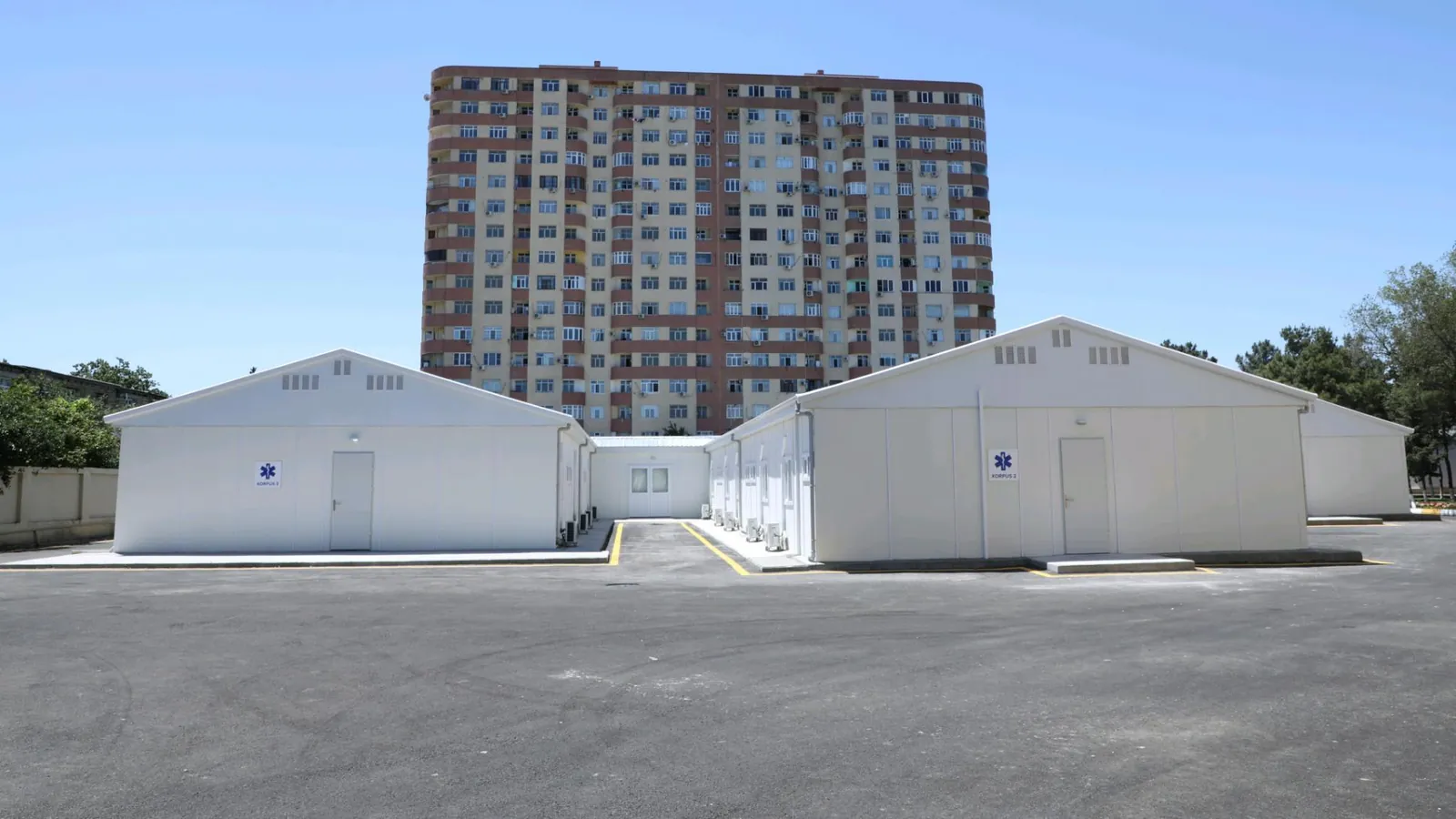
On large projects such as dams, motorways, power plants or mines, hundreds or even thousands of people live and work on the same site for months. Good camp planning directly affects safety, productivity and staff wellbeing.
1. Needs and capacity analysis
Determine how many people will stay and how that number will change over the project, grouped by role with an accommodation standard for each.
2. Site selection and layout
- Separate living and working areas
- Keep dormitories away from noise
- Easy access to canteens, laundry and sanitary units
- Assembly points, fire routes and parking
- Wind direction, drainage and slope
3. Infrastructure
Levelling, foundations, power distribution, water and wastewater lines are prepared first, sized for peak occupancy.
4. Building blocks
Camps usually combine prefab buildings for dormitories, canteens and offices with containers for sanitary units, security and storage.
5. Shipping and installation
Blocks are shipped in installation order so staff can move in gradually.
6. Testing and commissioning
Electrical, water, HVAC and fire detection systems are tested before formal handover.
7. Operation and project end
At the end of the project, prefab and container buildings can be dismantled and reused elsewhere. See our site mobilisation service.
Frequently asked questions
Can a camp be set up abroad?
Yes. Buildings are packed to container dimensions, shipped by sea or road and installed on site.